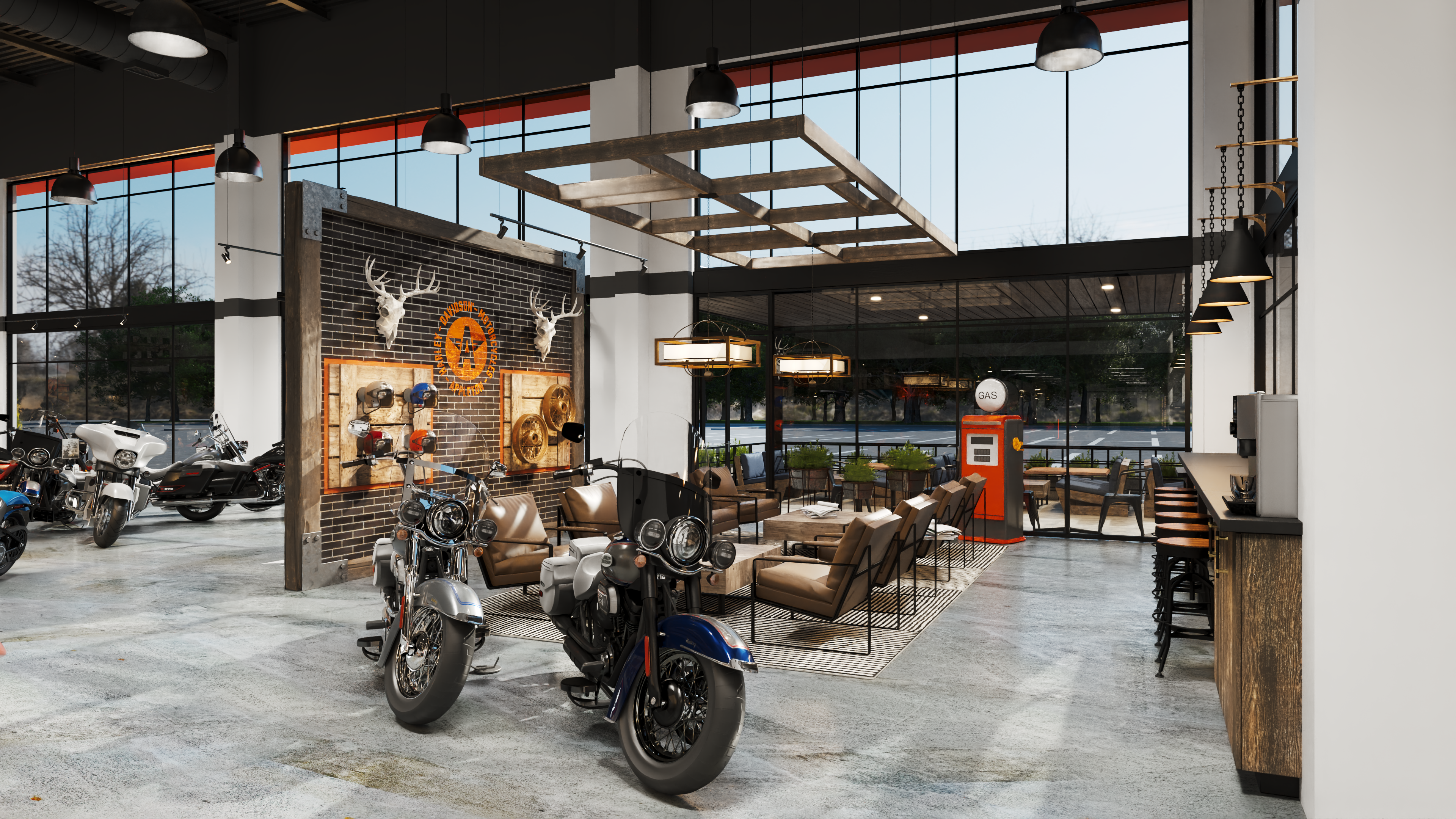
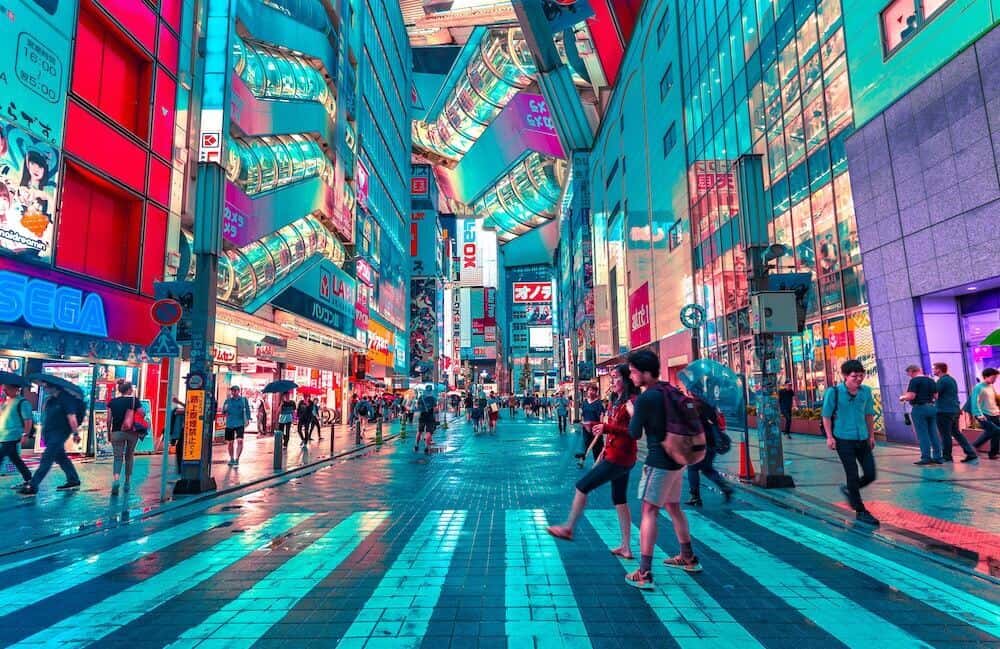
In retail, marketing does not stop at the shop door. In fact, for many customers, it begins there. The physical environment is one of the most influential tools a brand has to shape perception, spark desire and translate product into lifestyle.
Window graphics, signage and in-store visuals are often seen as finishing touches. In reality, they are powerful layers within the retail environment. When used thoughtfully, they do far more than display information. They help customers understand how a product fits into their world.
From Product to Possibility
A product on a shelf is simply an object. It becomes meaningful when it is placed within context. The retail environment provides that context. Through imagery, graphics and spatial storytelling, retailers can show how a product lives beyond the store.
Window clings can set the tone before a customer even steps inside. They signal seasonality, mood and aspiration. Signage can frame a collection not just as an item to buy, but as part of a lifestyle choice. Graphics can bridge the gap between function and emotion, helping customers imagine the product in their own routines and environments.
This is where retail becomes immersive rather than transactional.
Layering the Environment
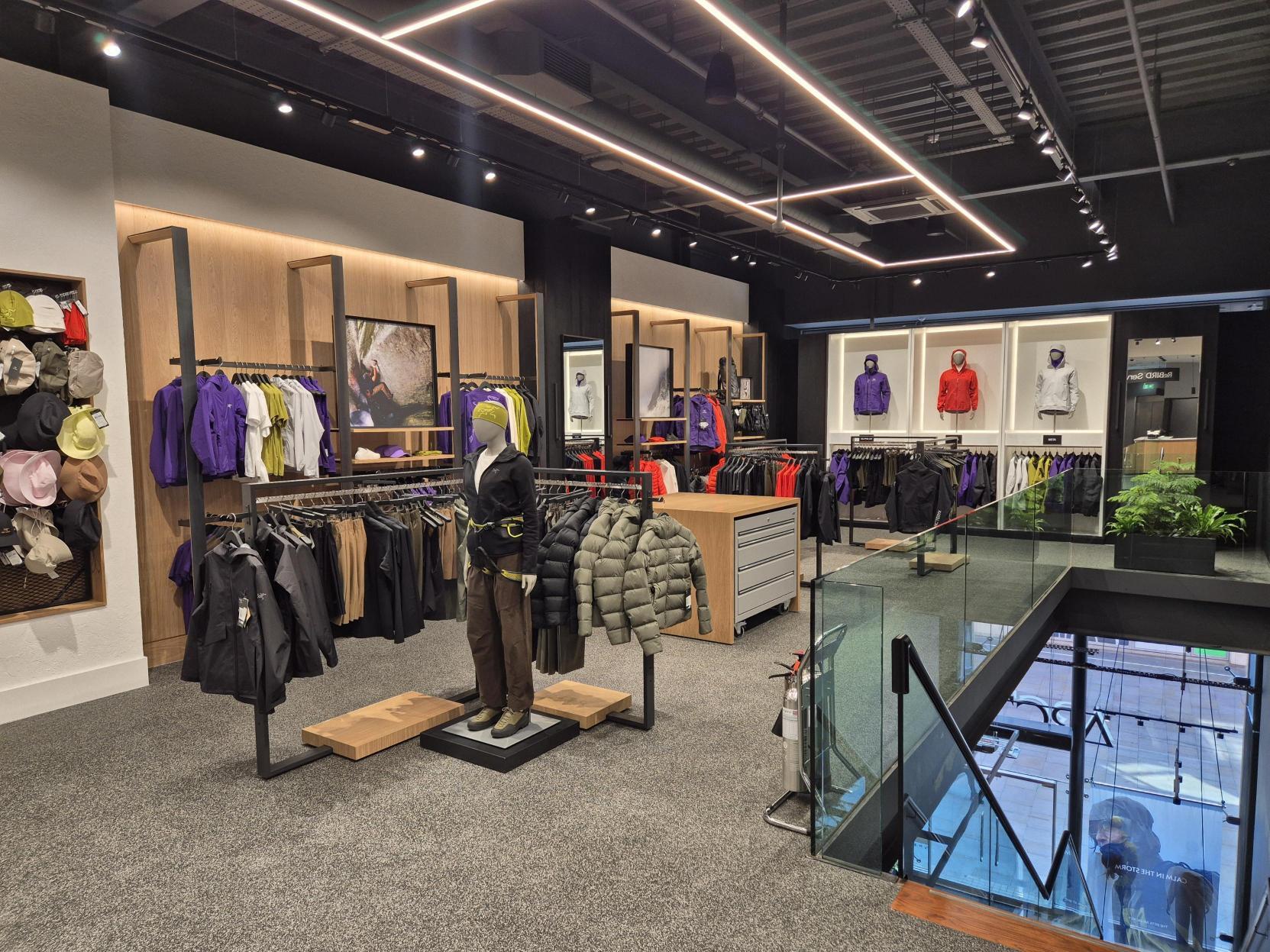
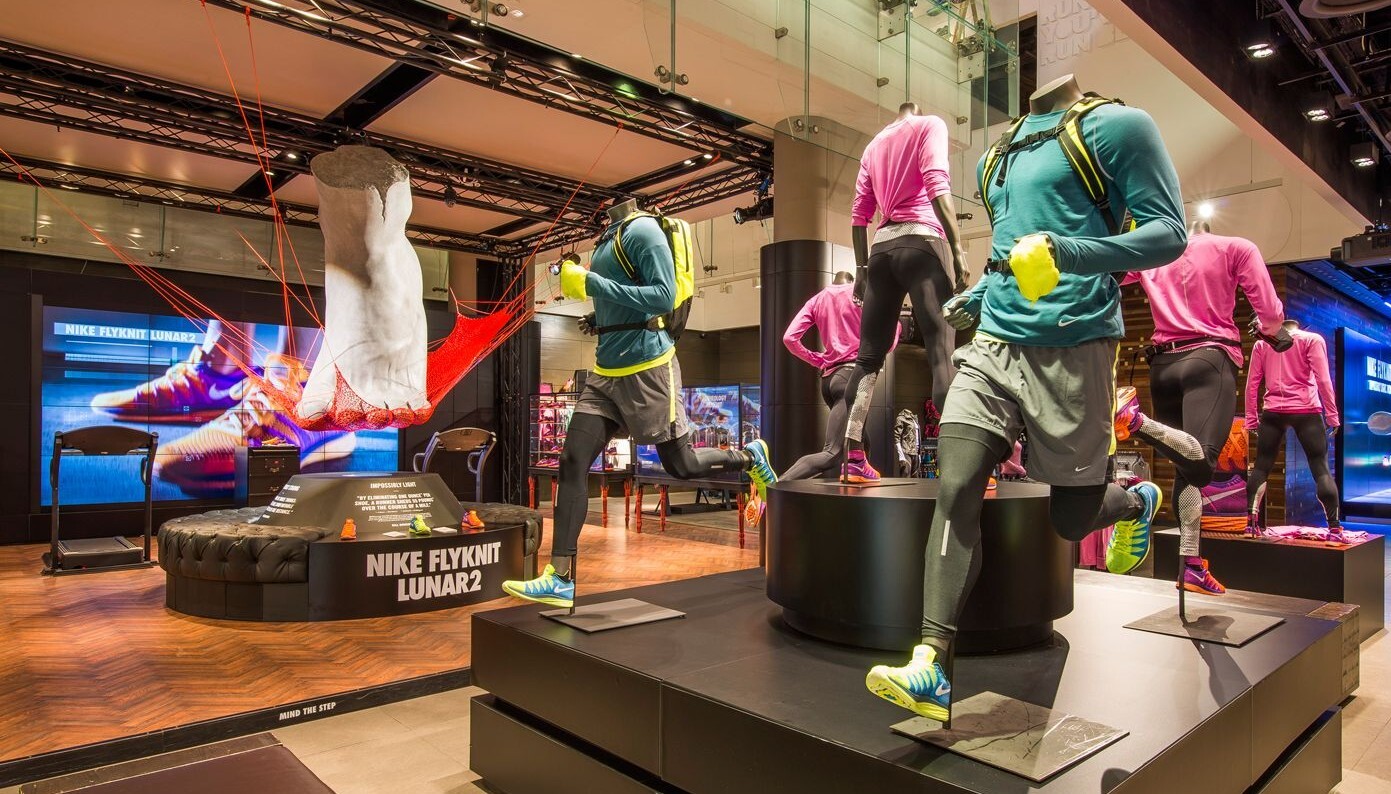
The most effective retail spaces are layered. Architecture sets the foundation. Lighting shapes the atmosphere. Fixtures guide interaction. On top of this, visual tools such as signage, typography and graphics add narrative.
These tools should never feel disconnected from the space. When integrated properly, they feel like a natural extension of the environment. A campaign message should sit comfortably within the material palette and spatial design. A lifestyle image should align with the tone and positioning of the brand.
This layering approach transforms marketing from something applied to the space into something embedded within it.
Helping Customers See Themselves
Retail marketing is at its strongest when it helps customers see themselves in the story. Graphics and visual messaging should not only describe the product. They should show how it fits into real life.
A fashion retailer might use imagery that reflects the pace and personality of its audience. A homeware brand might create scenes that mirror the aspiration of comfort and belonging. A technology store might frame its products around creativity or productivity rather than specification alone.
When retailers understand who their customers are and what they aspire to, the environment becomes a tool for connection. The product is no longer something to purchase. It becomes something to experience.
Clarity and Confidence
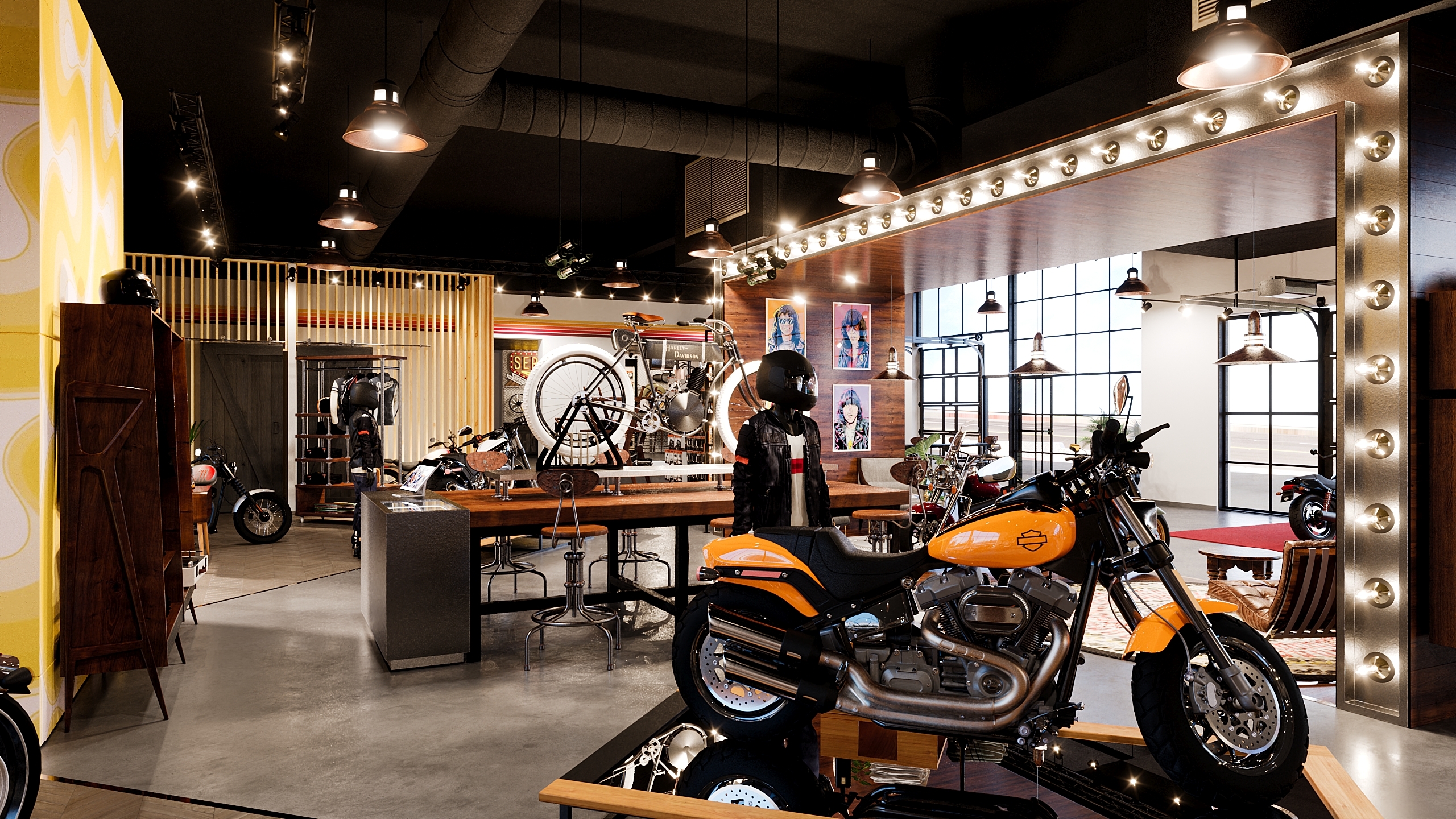
Well-considered retail tools also build clarity. Clear signage and messaging reduce friction and make the journey easier to navigate. This supports confidence in decision-making.
Confusion can undermine even the strongest brand. A cohesive environment, where graphics and messaging align with the spatial experience, reassures customers that the brand knows who it is and who it serves.
Understanding What The Customer Needs
At the heart of this approach is empathy. Retailers must understand what their customers need, not just what they sell. Visual marketing within the store should reflect that understanding.
It should answer unspoken questions. How will this improve my day? How will this express who I am? How does this fit into my lifestyle?
When the environment responds to those needs, marketing feels less like persuasion and more like guidance.
The Retail Environment As Strategy
Retail environments should not be treated as static backdrops. They are dynamic marketing platforms. Every window, every sign and every graphic is an opportunity to reinforce brand identity and lifestyle positioning.
When retail tools are layered thoughtfully onto a well-designed space, they elevate both product and perception. They turn objects into stories and customers into participants.
In a world saturated with digital messaging, the physical store remains one of the most powerful places to influence how a brand is understood. When environment and marketing work together, retail becomes far more than a place to buy. It becomes a place to believe.