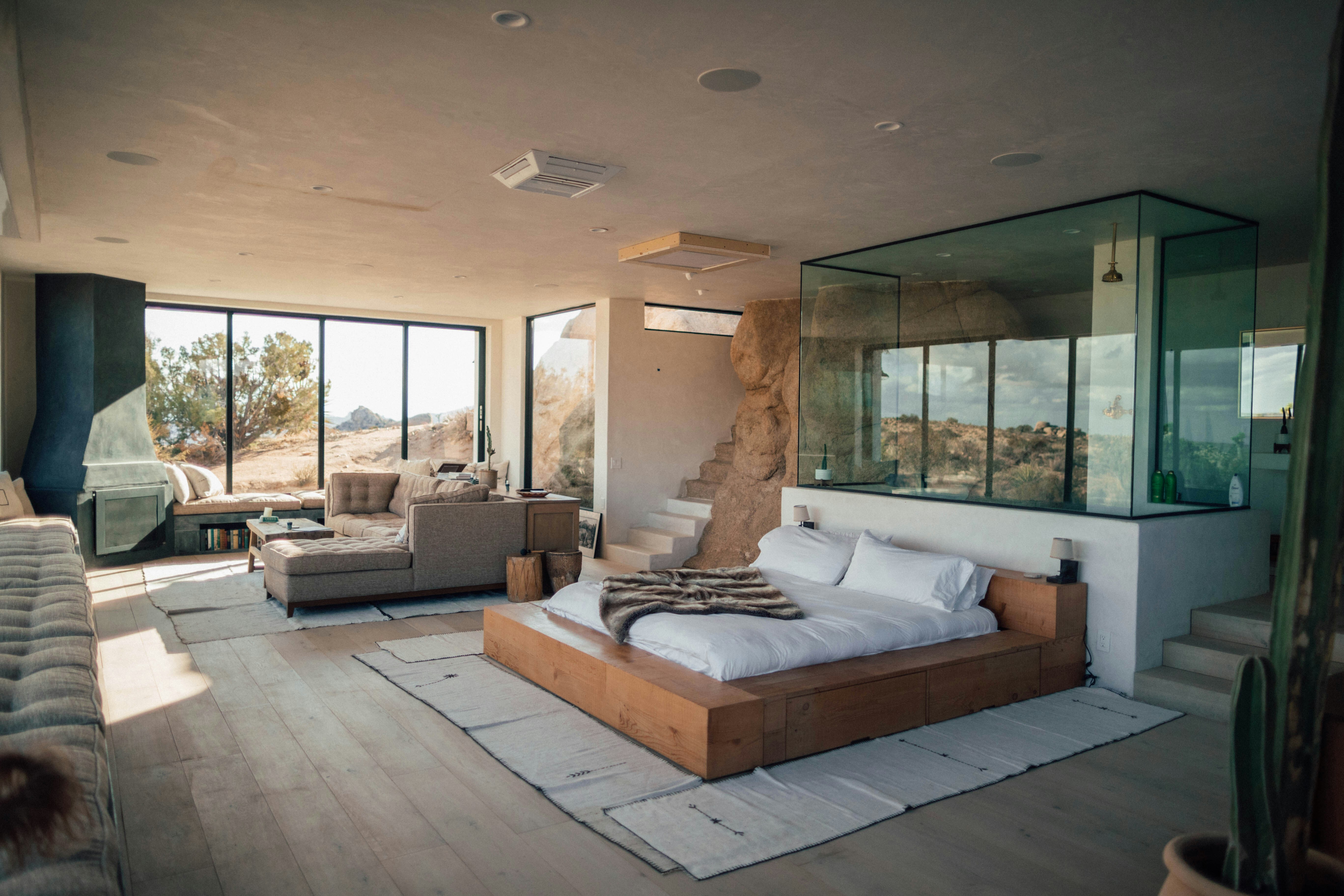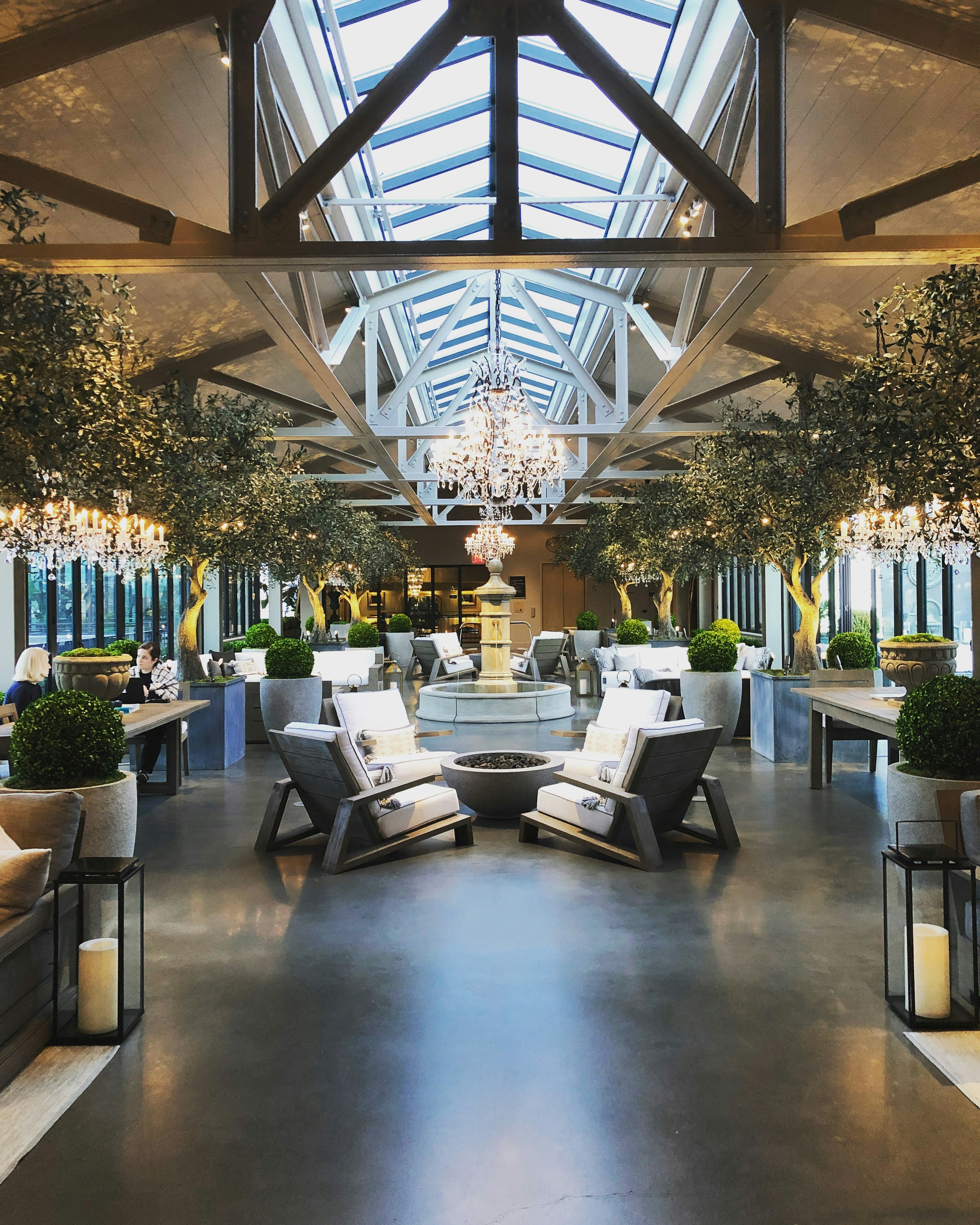
Restorative hospitality is becoming one of the most influential movements in the industry. Guests are no longer seeking spaces that simply impress. They want places that help them feel calmer, lighter and more grounded. Restorative hospitality is about designing environments that actively support wellbeing. These spaces provide relief from the noise of daily life and invite guests to pause. This shift has created a new way of thinking about hospitality interiors. They must be places where experience is measured not only by activity but by the quality of rest they provide.
A New Kind of Comfort
Restorative hospitality places emotional comfort at the heart of the experience. This is more than soft furnishings or warm colours. It is about creating an atmosphere that lowers tension. Spaces feel gentle, with lighting that softens edges, materials that feel honest and natural, and colours that encourage relaxation. The overall effect is not theatrical but soothing. Guests sense calm from the moment they arrive.
Nature as a Source of Restoration
Nature is central to restorative design because it has an innate ability to ground and rebalance. Hospitality spaces that use natural materials create a feeling of honesty and warmth. Stone, timber, linen, textured ceramics and greenery all influence mood. They provide tactile comfort and visual ease. Even subtle references to the outdoors, such as organic shapes, natural colour palettes or gentle plant arrangements, can transform the emotional tone of a room. Where possible, natural light is prioritised. Daylight rhythms support the body and help guests feel more present.
A Focus on Slowness and Stillness
Restorative hospitality rejects the idea that a space must always be busy or energised. Instead, it embraces moments of stillness. This can be achieved through quiet seating zones, calming visual composition and uncluttered surfaces that give the eye room to rest. Spaces are designed to make guests feel unhurried. When the environment gives permission to slow down, guests begin to reconnect with themselves and with the experience.
Sensory Balance
Restorative design is deeply sensory. It regulates input rather than heightening it. Lighting is warm and layered, never harsh. Acoustics are carefully managed so that the sound is soft and comfortable. Materials offer natural texture rather than reflective gloss. Scent is subtle and grounding. Every sensory choice is intentional and contributes to a state of ease. The goal is harmony rather than stimulation.
Personal Spaces Within Public Places
One of the most powerful aspects of restorative hospitality is the creation of intimate pockets within larger environments. These are places where guests can pause with a book, enjoy a moment of quiet or simply breathe. They may be created through the placement of a single chair, a niche by a window, a softened corner or a thoughtfully designed lounge arrangement. These micro spaces offer privacy and personal refuge while still feeling connected to the wider environment.
Why Guests Value Restoration
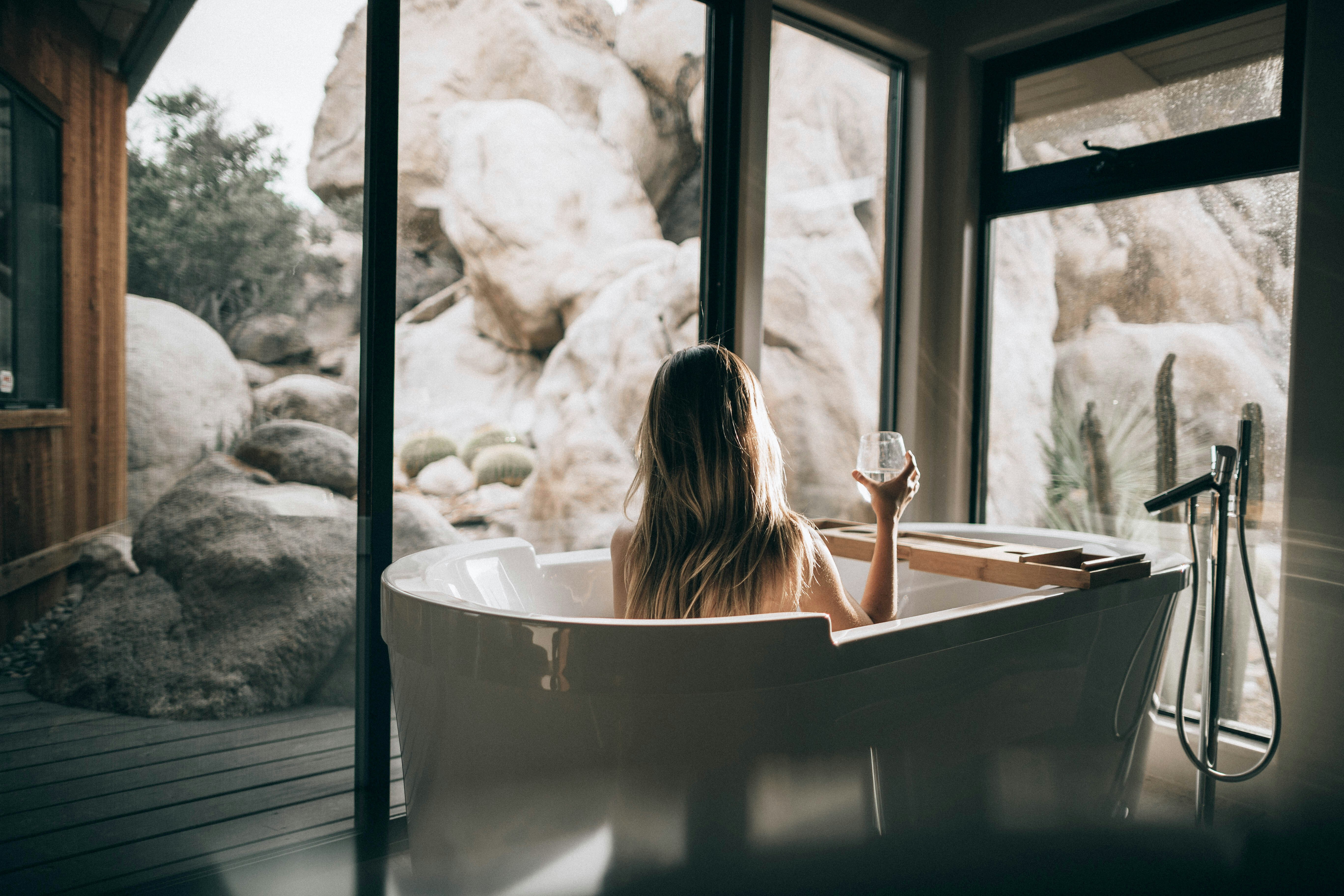
People are increasingly seeking balance in all parts of their lives. They travel not only to explore but to recover. They choose restaurants not only for food but for atmosphere. They stay in hotels not only to sleep but to feel cared for. Restorative hospitality speaks to this need. Spaces that help guests unwind become places they want to return to. They support longer stays, stronger emotional connection and a deeper sense of loyalty.
Conclusion
Restorative hospitality is reshaping the design of hotels, restaurants and venues. It prioritises calm over spectacle, connection over consumption and natural materials over artificial impact. When hospitality environments embrace restoration, they become more than beautiful spaces. They become places that nurture. Places that stay with guests long after they leave. And in a world that feels increasingly fast, this may be the truest form of modern luxury.