July 14, 2026
What Retail Can Learn from EV Charging Hubs
As consumer expectations evolve, retailers are increasingly being asked to offer more than products alone.
People want convenience, but they also value experience. They are looking for environments that make good use of their time, feel welcoming and give them a reason to stay.
Interestingly, some of the most valuable lessons in creating these kinds of destinations are emerging from an unexpected sector.
EV charging hubs.
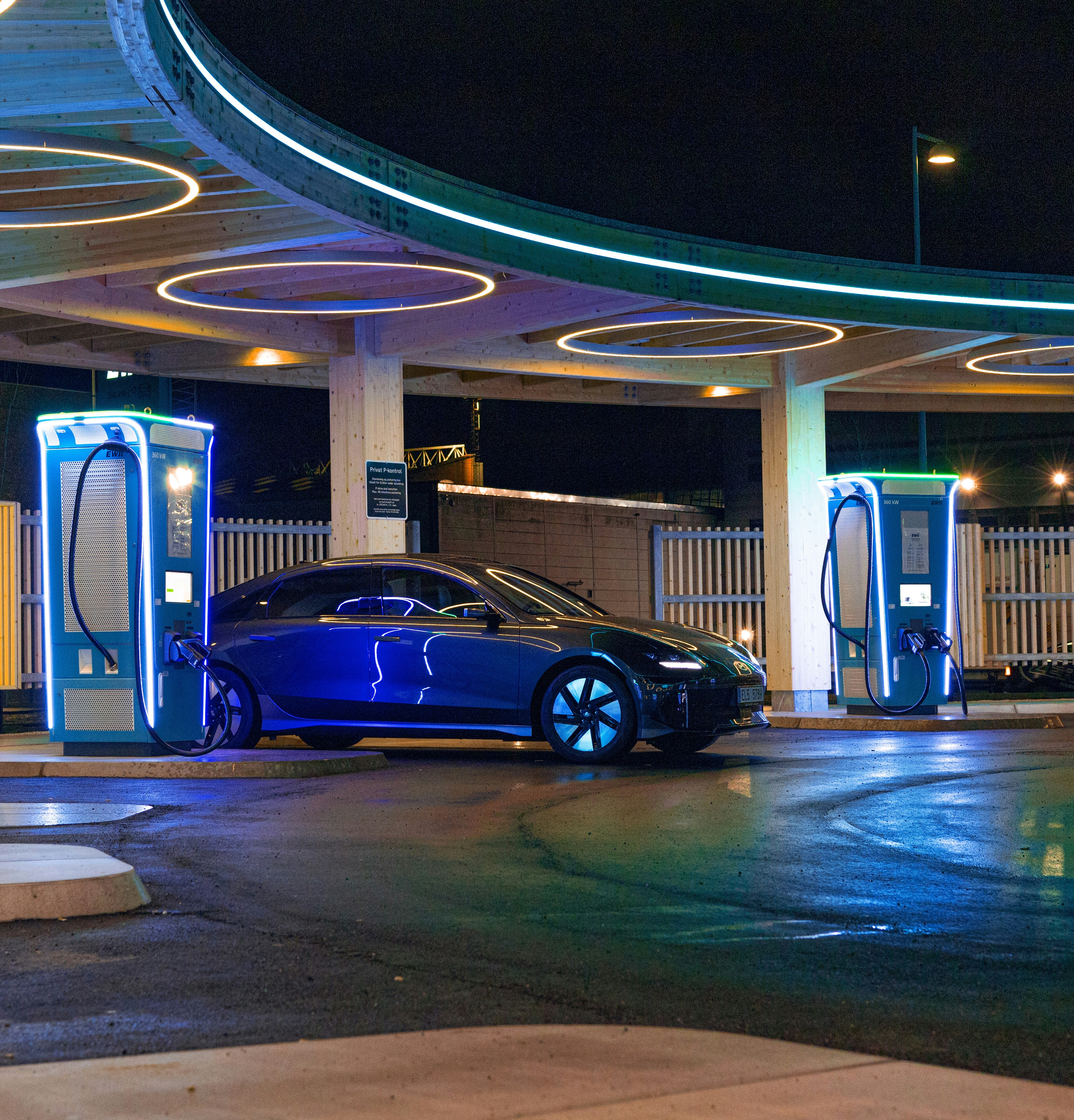
As electric vehicle adoption grows, operators face a challenge that traditional fuel stations never had to solve. Customers are often spending between 20 and 60 minutes on site while their vehicle charges. Rather than viewing this as a problem, many operators are treating it as an opportunity. In doing so, they are creating environments that retailers, hospitality operators and developers can learn a great deal from.
Designing for Dwell Time
For years, many physical environments were designed around efficiency. The objective was simple. Help people find what they need and move on. Today, the conversation is changing.
The most successful destinations recognise that time is one of the most valuable things a customer can give. Rather than focusing solely on attracting visitors, they are thinking carefully about what happens once people arrive.
EV charging hubs are a perfect example.
Because customers are already committed to spending time there, operators have been forced to think deeply about comfort, convenience and experience. The question becomes less about getting people through the space and more about creating an environment they actively enjoy spending time in.
From Functional to Experiential
The most successful charging destinations are no longer designed solely around infrastructure. They are designed around people.
Across Europe and North America, operators are introducing high quality food and drink offers, comfortable seating areas, outdoor spaces, places for families, opportunities to work remotely and environments that encourage visitors to relax rather than simply wait.
The charging equipment may be the reason someone arrives, but it is rarely the reason they remember the experience. This reflects a wider shift that can be seen across retail and hospitality. Consumers increasingly value experiences that feel considered, enjoyable and relevant to their lifestyle.
Understanding Consumer Behaviour
At the heart of this trend is a strong understanding of consumer behaviour.
Successful operators recognise that people do not want to feel as though they are waiting. They want to feel as though their time is being used well.
This changes how spaces are planned and designed.
These are the same questions designers and brands should be asking across retail, hospitality and mixed-use environments.
Creating Reasons to Return
One of the most interesting lessons from EV charging hubs is that functionality alone rarely creates loyalty. A charger may attract a first visit, but the wider experience often determines whether someone returns.
The same principle applies in retail.
Products can attract customers through the door, but the environment often influences how long they stay, how they feel and whether they choose to return in the future.
Thoughtful design, clear navigation, comfortable surroundings and moments of discovery all contribute to a stronger customer experience.
When these elements work together, a functional destination becomes somewhere people actively choose to visit.
The Future of Destination Design
Perhaps the biggest lesson from EV charging hubs is that successful places are designed around people rather than their primary function. The best environments understand that consumers are investing their time as much as their money.
Whether someone arrives to charge a vehicle, browse a store, meet friends or enjoy a meal, the fundamentals remain remarkably similar. People are drawn to spaces that feel welcoming, intuitive and enjoyable to spend time in.
For retailers, the message is clear.
The future is not simply about creating places where transactions happen. It is about creating destinations where experiences happen.
Those who understand this shift will be best positioned to build stronger customer relationships and more meaningful physical environments for years to come.