August 05, 2026
When The Pursuit Of A Brand’s Essence Goes Too Far
As businesses strive for modernisation and consistent brand expression across websites, apps, social media platforms and digital advertising channels, visual identities have become simpler and more streamlined. Logos are refined, colour palettes reduced and brand systems designed to be more visually crisp across increasingly small screens.
The approach makes sense, somewhat.
But in the pursuit of simplicity, some brands discovered they had also lost elements of the personality and recognition that made them memorable in the first place.
Today, there are signs that the pendulum may swing back.
Recognition Beyond a Singular Signature
Brands are rediscovering the value of their distinctive assets and, perhaps more importantly, recognising that identity is about much more than a singular brand mark.
Instead, if they build and assemble a collection of verbal, visual, sensory and emotional cues that signal the brand, these reminders can become deeply embedded in consumers' minds over time.
The McDonald's Golden Arches and jingle. The Nike Swoosh and tagline. The Coca Cola contour bottle, colors and polar bears. The Tiffany Blue Box and shop windows. The Intel audio signature and tagline.
These assets become shortcuts in memory. They allow people to recognise a brand instantly, often before a name appears.
A powerful example emerged during a FIFA tournament when branding restrictions prevented Levi's from displaying its wordmark at Levi's Stadium. Rather than disappearing from view, the brand relied on its distinctive Batwing shape.
The name was absent. The recognition remained.
Why Heritage Still Matters
Harley-Davidson provides another interesting example.
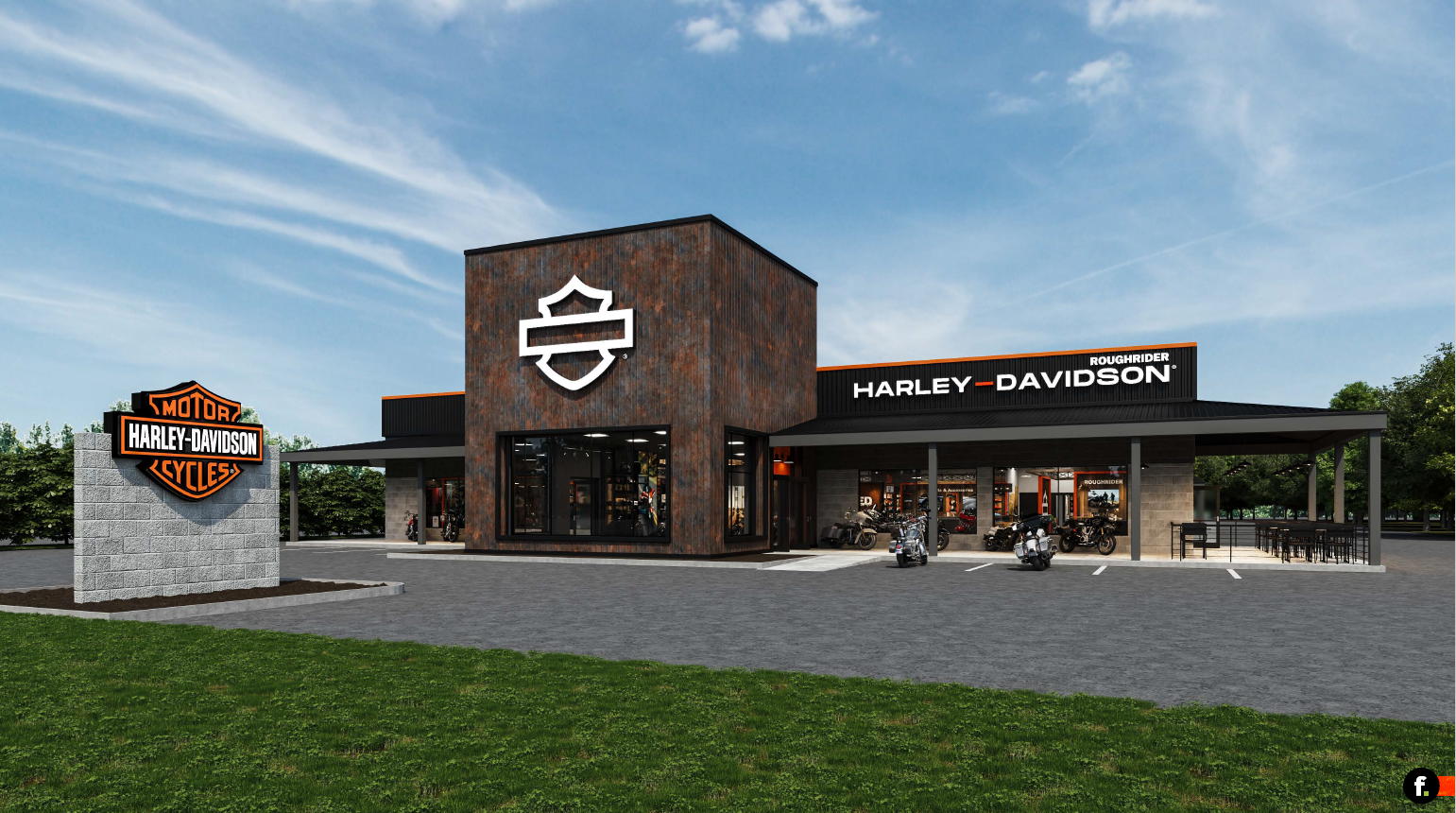
Like many global brands, Harley-Davidson experimented with a more simplified visual identity as part of a wider move towards cleaner and more flexible branding systems. The challenge was that customers were never emotionally connected to the simplified graphic itself. They were connected to what the historic Bar and Shield represented.
Freedom. Craftsmanship. Community. A sense of belonging.
In recent years, Harley-Davidson has increasingly returned to its heritage identity across dealerships, motorcycles, merchandise and marketing.
The lesson is not that brands should resist change. It is that distinctive assets often carry meaning that extends far beyond their visual appearance.
From Brand Assets to Brand Experiences
For physical environments, this creates an important opportunity.
Distinctive assets are not limited to logos, colours or symbols. They can also be materials, rituals, services, sounds, scents or ways of interacting with customers. These are often the elements people remember most.
For travellers passing through the Midwest United States between 1984 and 2010, there’s a good chance they had the memorable experience, if flying on Midwest Express Airlines, of smelling freshly baked chocolate chip cookies wafting through the cabin soon after take-off. While service and comfort were also signature priorities for this brand, it was the smell of cookies that will stick with former flyers for a lifetime.
The texture of a material. A signature product display. A repair service. A particular way of welcoming customers. A familiar sound or atmosphere.
When translated into physical environments, these assets help transform stores from places of transaction into expressions of brand identity.
What This Means for Retail and Hospitality
As brands expand, there can be pressure to standardise. And, although consistency is important, there is a risk that environments become interchangeable.
The most memorable destinations tend to take the opposite approach. They identify the assets that make the brand distinctive and amplify them.
This might mean celebrating craftsmanship, showcasing heritage, reinforcing product expertise or creating recognisable moments throughout the customer journey.
The objective is not simply to create consistency. It is to create recognition.
Designing for Memory
As designers, there is often a natural focus on what comes next.
New concepts. New formats. New technologies.
Yet some of the most valuable work lies in understanding what should remain constant.
The strongest brands know which elements deserve protecting, evolving and celebrating over time.
Because ultimately, the goal is not for customers to remember a logo. It is for them to remember a feeling, an experience and a brand identity that is instantly recognisable even when the logo is nowhere to be seen.
As physical spaces become increasingly important in shaping customer perception, distinctive brand assets offer something incredibly valuable.
A way to turn recognition into connection and connection into lasting loyalty.