Skip to content

Why Great Retail Is About More Than Selling Products

October 13, 2026

What makes a retail space memorable?

It is tempting to think about the answer in terms of products, visual identity or the latest design trends. But great retail experiences are about much more than what is on the shelves.

They are about how a space makes people feel, how it helps them interact with a brand and whether it gives them a reason to return.

For Patti McNair, Principal at Fresh Design International in North America, this understanding has developed through more than 20 years of experience shaping retail environments. During that time, the role of the physical store has changed significantly, with brands placing greater emphasis on understanding the people who use their spaces and creating experiences that go beyond the transaction.

In this Q&A, Patti explores how retail has evolved, what makes a store memorable and how physical environments can create stronger emotional connections between brands and their customers.

She also shares lessons from working with brands including Harley-Davidson and Trek, before looking ahead at what the most successful retailers could be doing differently over the next five years.
You've spent over 20 years shaping retail environments. What has changed the most in that time?

I think the biggest change in retail environments over the past 20 years has been the shift toward putting the consumer at the center of every decision. When I first started in the industry, the focus was largely on the technical execution of a store layout and incorporating brand elements into the space. While those fundamentals remain important, today's conversations go much deeper.

Brands and retail teams are now much more focused on understanding what customers need, how they want to engage with a brand, and what makes an in-store experience truly meaningful. The emphasis has moved beyond simply creating a functional, branded environment to designing experiences that connect with people, add value to their journey, and strengthen their relationship with the brand.

What separates a store people remember from one they simply shop in?

Stores that stay with consumers long after they leave are the ones that excel across all the key elements of the retail experience. They offer compelling, high-quality products, create environments that are inviting and enjoyable to spend time in, and employ knowledgeable staff who know how to engage customers without feeling overly sales-driven. Even when prices are premium, customers feel they are getting value because they want to be part of what the brand represents.

By contrast, stores that are simply places to shop tend to be transactional. They provide the necessities but little inspiration, relying heavily on promotions and discounts to drive traffic. Convenience may bring customers through the door, but without a memorable experience or emotional connection, there is little reason for them to think about the brand once they leave.

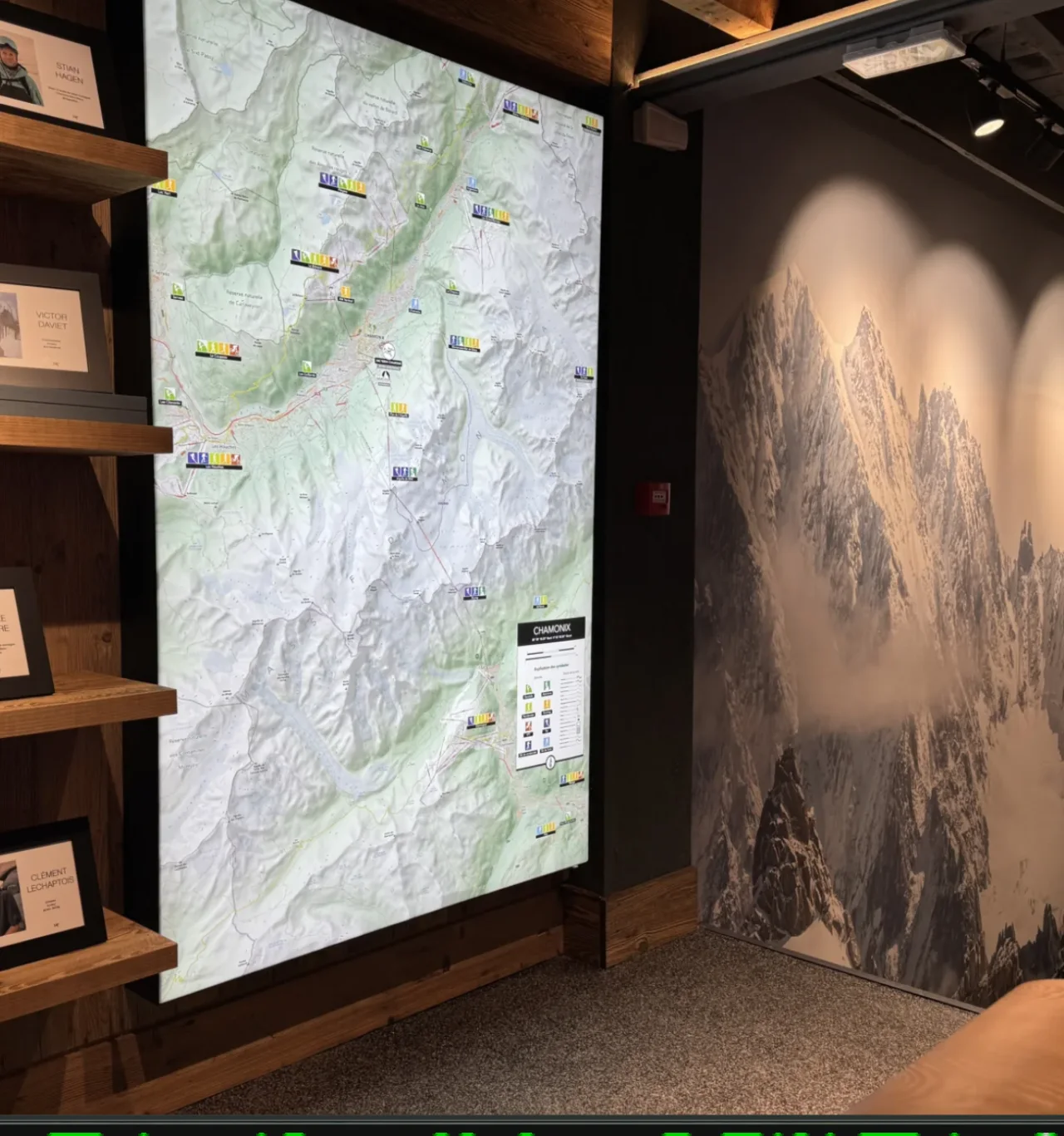
Store interior with an illuminated Chamonix trail map and mountain wall graphics

How can brands create emotional connections through physical space?

One of the best ways to think about creating emotional connections through physical space is to take cues from a child’s perspective. At our core, we all share fundamental human needs: a desire for comfort, belonging, discovery, play, and genuine connection. Spaces that make people feel welcome, spark curiosity, encourage exploration, or provide a sense of community are often the ones that leave the strongest emotional impression.

The opportunity for brands is to translate these universal needs into an environment that authentically reflects who they are. When a physical space can satisfy emotional needs while expressing the essence of the brand, a meaningful connection becomes possible.

Much of this is communicated through the senses. Materiality, texture, color, lighting, sound, scent, fresh air, and natural daylight all shape how people feel in a space. Emotional connection isn't created through messaging alone. It comes from creating an environment people can truly experience. To make people feel something, you have to give them something to feel.

What lessons from brands like Harley-Davidson and Trek still apply today?

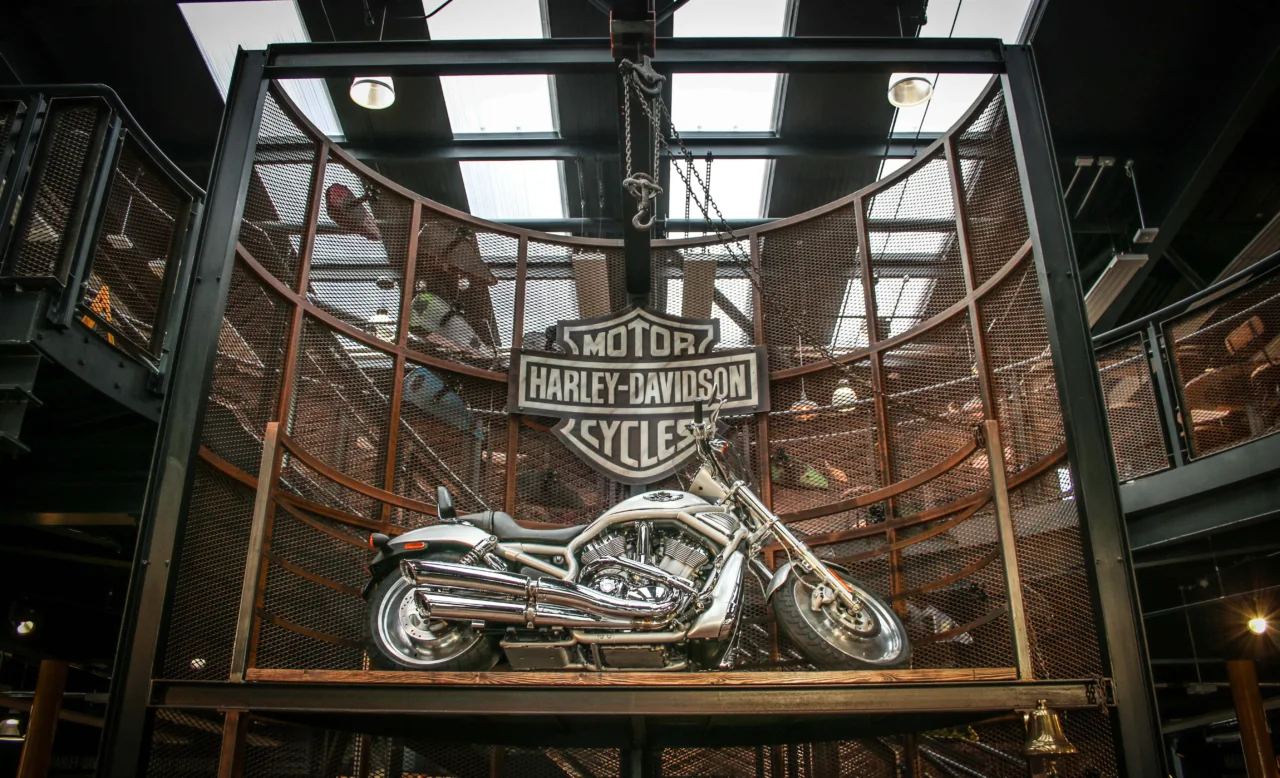
Brands like Harley-Davidson and Trek continue to offer valuable lessons for retailers today.

First, both brands have extensive product portfolios, which makes clear organization and thoughtful merchandising essential. In the retail environment, consumers need an experience that is easy to understand, enjoyable to explore, and intuitive to navigate. Without that clarity, shoppers can quickly become overwhelmed, making it harder for them to make confident purchasing decisions. The best retail environments act as curators, guiding customers through a carefully crafted journey that reflects the essence of the brand while simplifying choice.

Second, both Harley-Davidson and Trek have cultivated incredibly strong communities of loyal customers and advocates. They understand that their stores are more than places to buy products. They are places where people can connect with the brand and with one another. By intentionally creating space for those communities within the retail environment, they strengthen customer loyalty and foster a deeper sense of belonging. Not every brand is willing to dedicate physical space to community-building, but those that do often see significant benefits, both immediately and over the long term.

Why Great Retail Is About More Than Selling Products

What do you think the most successful retailers will be doing differently five years from now?

Five years from now, I believe the most successful retailers will have developed highly distinctive brand personalities and will be exceptionally skilled at translating that brand essence into physical environments that feel locally relevant and tailored to the communities they serve. They will have mastered localized assortments, recognizing that customers in different markets have different needs, preferences, and expectations.

I also expect to see a greater emphasis on people. Store managers and sales associates will be hired, trained, and rewarded not only for their independent business savvy and product knowledge, but for their ability to represent the brand, build relationships, and deliver exceptional customer experiences.

Beyond the store itself, leading retailers will become more deeply embedded in their communities through locally driven programming, events, partnerships, and advocacy efforts that authentically reflect their values. At the same time, I hope we will see a much greater awareness of the environmental impact of products, commerce, and the built environment, with brands actively working to reduce their footprint and operate more responsibly.

That's my vision, at least. A girl can dream.

Looking Beyond the Transaction

Across Patti's answers, one idea comes through clearly. The role of the physical store continues to evolve.

Retail environments can help people understand a brand, connect with a community, discover something new and develop a stronger emotional relationship with the products they are considering.

That means great retail is not simply about creating somewhere people can shop.

It is about creating somewhere people want to be.

For brands, that creates an opportunity to think differently about the role their physical environments play. The strongest spaces can bring together product, people, community and brand expression to create experiences that remain with customers long after they leave.

And perhaps that is what ultimately separates a store people simply visit from one they remember.

Bring the thinking into your project.

Related serviceConcept Design & Design DevelopmentRelated workExplore our featured projects
Discuss your project

Global reach. A local conversation.

Start here. We’ll connect you with the right team.

hello@fresh.international

Prefer a local team? Choose your region.